Speaking Nationally on Identity, Resilience, Faith

My Story

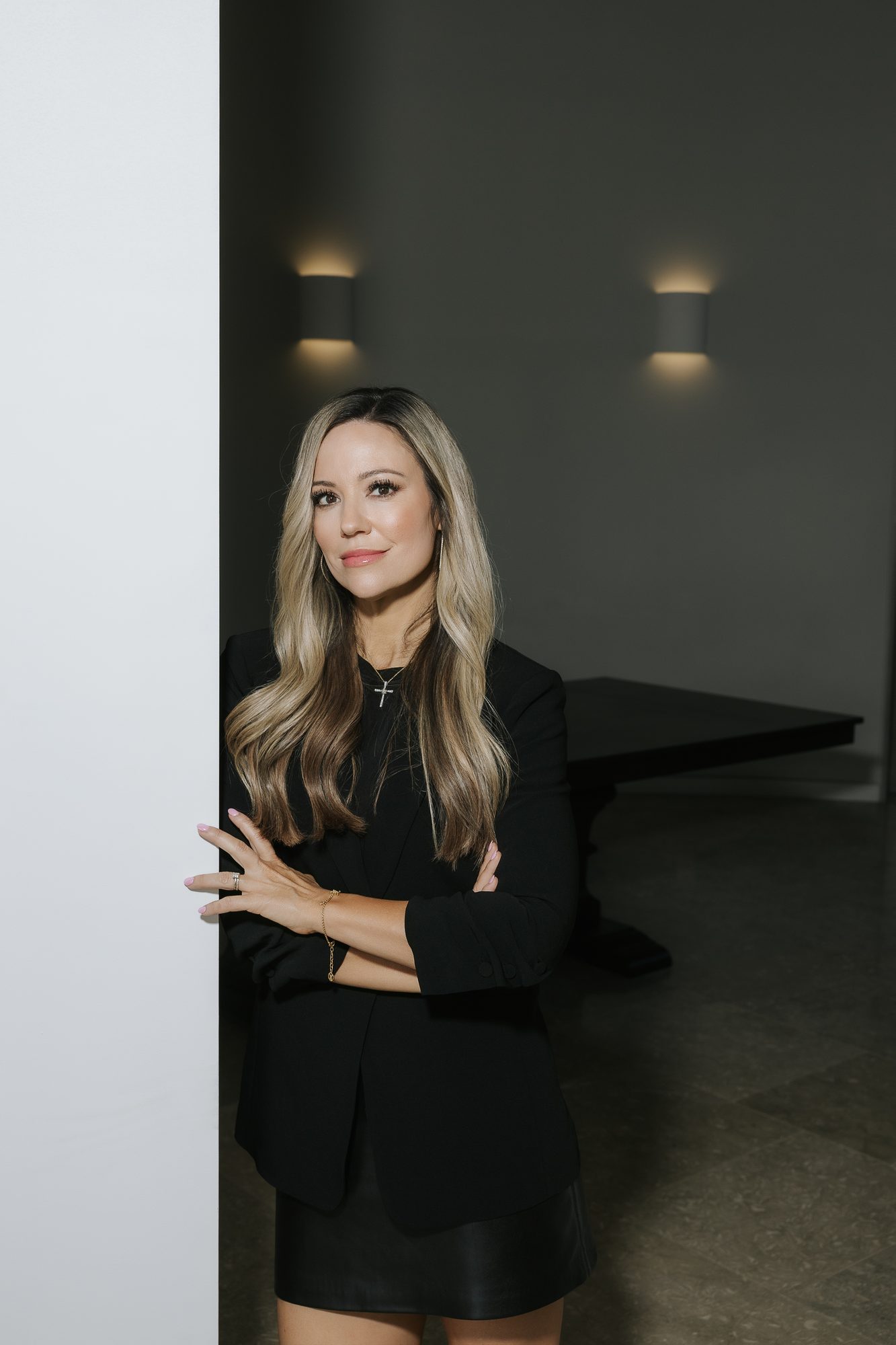
Anne Farrens, pro-life speaker conceived in rape in 1983, sharing her story

Some stories begin with celebration.
Mine began with a crime.

I grew up in a loving family, never questioning if I belonged, until one day everything changed. When I was 12 years old, I learned my Dad was not my biological father, and that I had been conceived by a violent, serial rapist.

Nothing could silence the question that haunted me after: Does the way I was conceived determine my worth? Am I bad?

Today, I speak nationally to audiences ranging from legislative and federal leaders to universities, churches, corporations, and nonprofit organizations, challenging one of the most destructive lies of our time: that a person's value is determined by the circumstances of their conception, abilities, mistakes, or labels.

Request Speaking Availability
1983: the year my mother was told I was a problem to be solved.

In 1983, a violent serial rapist broke into my mother's home. She survived the assault. Weeks later, she learned she was pregnant.

The advice she received was immediate and nearly unanimous: end the pregnancy. It was framed as mercy. It was framed as the obvious, compassionate, reasonable thing — the thing any sensible person would do. Nobody had to argue for it. It was simply assumed.

My mother chose differently. She was young, she was terrified, and she had every excuse the world would ever grant a woman. She carried me anyway.

I want to be careful here, because this is the part people get wrong. My mother was not a hero in a movie. She was not serene about it. She was a Catholic woman holding onto a faith that felt, in that moment, like the only solid thing left in the room. Her courage was not the absence of fear. It was a decision she had to keep making, over and over, on the days it cost her something.

That decision is the reason I am alive to write this. And it is the reason I cannot stay quiet about the children the world still calls exceptions.

Twelve: the year I found out.

I grew up in a loving home. I was not a child who suspected something was missing. I belonged, completely, until the day I didn't.

At twelve, I learned that the man who raised me was not my biological father, and that I had been conceived in a violent crime. In a single conversation, the story of where I came from was replaced with a different story — one I had no idea what to do with.

What followed was not dramatic on the outside. It was quieter and more corrosive than that. I had a question I could not put down: does the way I was conceived determine what I'm worth? I did not have language for it, so I did not ask it out loud. I just started living as though the answer was yes.

Shame is patient. It doesn't announce itself. It shows up as the sense that you are fundamentally different from everyone around you, that if people knew the truth they would understand why you don't quite count. It shaped how I saw my body, what I thought I deserved, and which relationships I tolerated. I ended up in one that hurt me.

At seventeen, I had an abortion.

I say that plainly because I have spent enough of my life not saying it. I am the daughter of a woman who chose life under circumstances most people would call impossible, and I made a different choice under circumstances that were, by comparison, survivable. Both of those things are true about me. Holding them at the same time is most of what I've had to learn.

I thought I would carry that in silence forever. For years, I did.

What changed.

There was no single moment where it all resolved. Healing, in my experience, is not a lightning strike. It is slow, and it is unglamorous, and it mostly happens because somebody refuses to look away from you.

Faith is what reached me — the same faith that carried my mother through 1983. Not as an argument that won me over, but as a persistent sense that I was known, and that being known had not disqualified me. The shame had told me that if the truth came out, I would lose everything. Grace turned out to work the opposite way.

The first time I told this story publicly, it was small — a parish, a retreat, a room of people I mostly knew. I was not trying to start anything. But afterward, women came up. Women who had made the choice I made. Mothers who had chosen life under circumstances like my mother's. Daughters of survivors who had never heard anyone say it out loud.

The story I thought I was carrying alone turned out to be one a lot of people had been waiting for someone to say first.

So I kept saying it. That became Beyond the Exception — a speaking and writing apostolate built on one conviction: there is no acceptable exception to the dignity of a human life. Children conceived in rape, incest, or other violent circumstances are not the hard cases to be quietly conceded in a debate. They are people. I am one of them. And the women carrying them deserve someone who speaks with them, not past them.

I am not here to condemn anyone. I have been on both sides of this story, and I know exactly how little condemnation accomplishes. What I have to offer is narrower and, I hope, more useful: evidence that grace can come from brokenness, that healing after abortion is real, and that no human being is the product of a crime.

Where I am now.

I hold a bachelor's degree in public relations and advertising, and I spent two decades in corporate aviation before this work became full-time. I mention that only because I want it understood that I did not set out to become a speaker. This found me.

Today I speak nationally — at Catholic and pro-life conferences, women's retreats, parishes, college campuses, legislative and policy events, corporate and leadership gatherings, and on podcasts and radio. I've appeared on EWTN's At Home with Jim and Joy and been featured by Live Action.

The through-line of every talk is the same lie, wearing different clothes: that a person's value is set by the circumstances of their conception, their abilities, their mistakes, or their labels. I have believed that lie about myself. That is the only real credential I bring.

I live in Idaho with my husband, Adam, and our two children.

Connect with Me